

How do you make change an improvement?
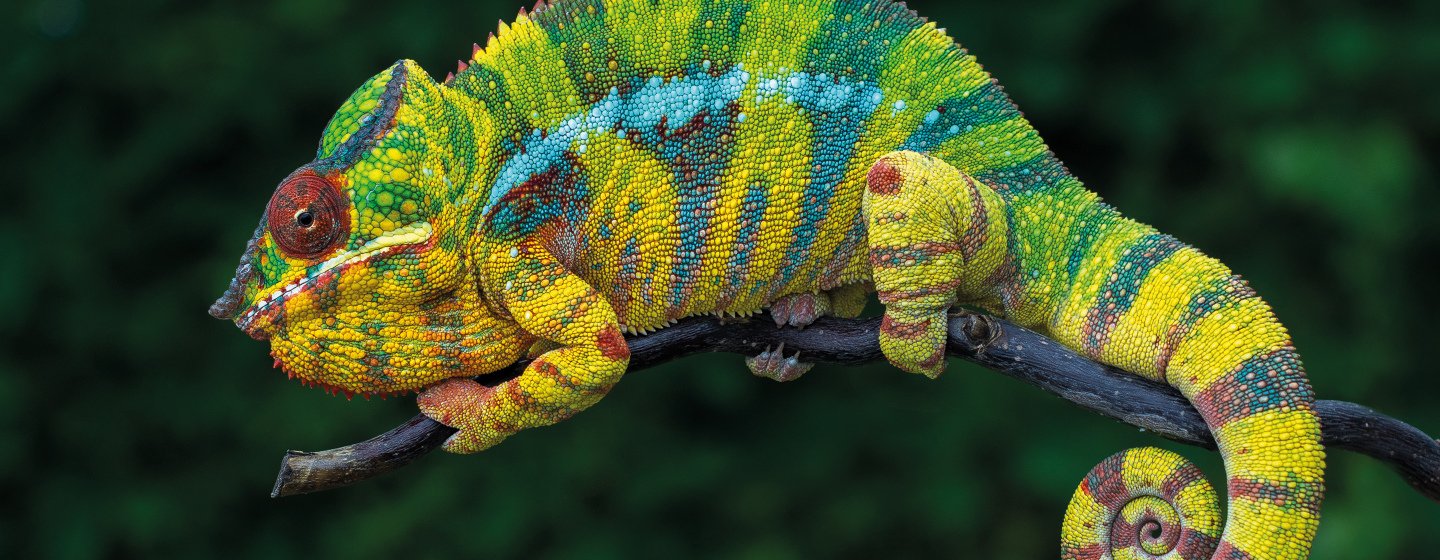
The key is not to focus too much on stability, but on changeability as ever-going natural way of life. Not the status quo but the cycle as a model. The American organization expert William Bridges argues that change often comes unexpectedly and comes with destabilizing feelings of loss and deprivation. According to Bridges in his book: Transitions, making sense of life's changes, we should not focus on an appreciation of the change - is it good or bad - but on its importance and its possibilities. Bridges' research shows that isolation and (re) orientation are the best strategies against the growing pains of change. This comes down to:
- Time alone. Emptiness, as little distraction as possible. Let thoughts and feelings come and register them.
- Time to jot down. In a diary or log. What was there is and must come. Your autobiography almost. What was it, what should it be. Envision from the loss the potential profit the prospect of what is to come.
- Time to determine. Whatever you want. Really want. Which can be dramatically different. Choose what your first steps are, and how you will take them. With a freshly regained purpose of clarity of meaning. A proven technique of charismatic leaders and sufferers: Jesus, Mohammed, Paul, Dante, Buddha. A an illustrious group of people, but at the same time enlightened.
“Being a leader is like being a lady or a gentleman: if you have to say that you are one, you are not. ‘’ — Margaret Thatcher.


 EN
EN  NL_BE
NL_BE